EVERY TRIP BOOKED WITH US, Enhances A GIRL’s education FOR ONE school YEAR
Our story
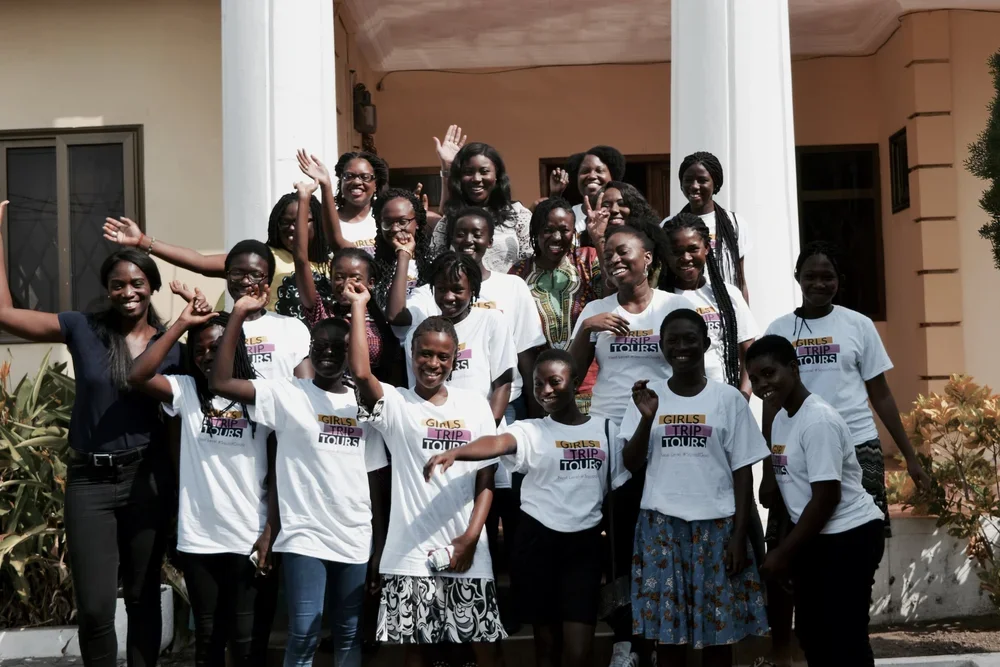
What started in 2018 with just 20 girls at Soronko Academy — West Africa’s first coding and human-centered design school for girls — grew into cross-continental programming connecting girls from Ghana, Kenya, South Africa, Zambia, and the Diaspora to mentors from companies including Google, Instagram, Deloitte, and the Mark Cuban Foundation.
From that first cohort, the work expanded into a broader social impact ecosystem designed to close opportunity gaps for girls and young women across Africa. Through structured mentorship, virtual bootcamps, and in-person programming, participants were introduced to pathways in technology, entrepreneurship, storytelling, leadership, and financial literacy — often for the first time in environments designed specifically to affirm their potential.
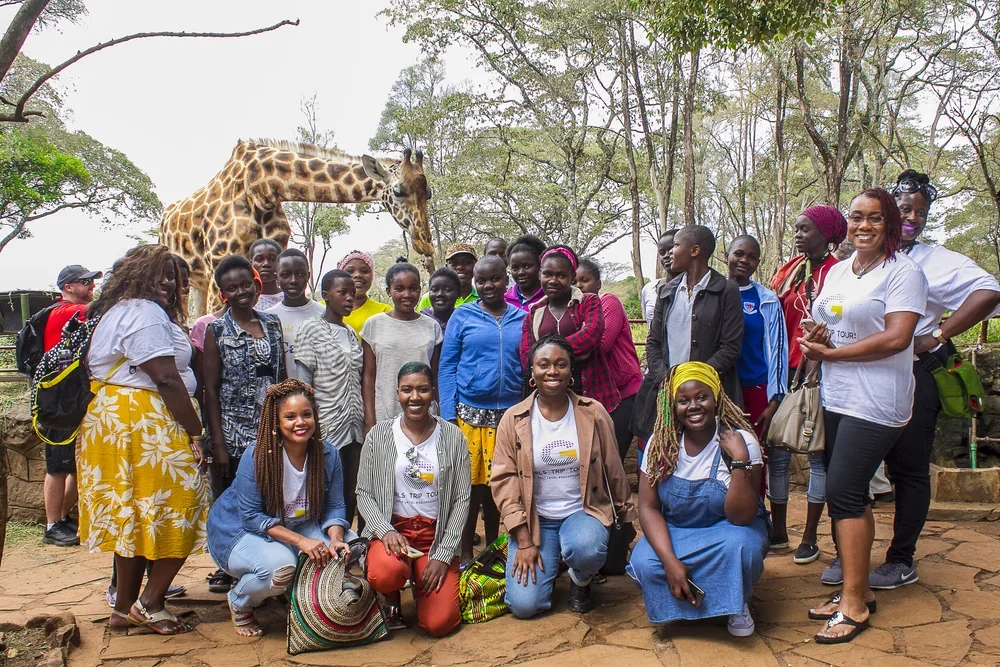
Over the years, this work evolved across multiple countries, including Ghana, Kenya, South Africa, and Zambia, building bridges between local communities and global professional networks. Scholarships were funded for girls in underserved communities, including Kibera in Nairobi, while programs during the pandemic enabled continued access to mentorship across borders when physical mobility was limited.
At the core of this work has been a consistent belief: that access is not enough on its own. What matters is sustained exposure, trusted relationships, and environments where young women can see themselves reflected in possibility — not as exception, but as expectation.
Alongside this, a parallel body of work emerged in women-centered travel, focused on designing culturally grounded experiences across Africa that prioritize local ownership, women-led businesses, and community-based economic participation. These experiences were intentionally built to ensure that tourism could function not only as leisure, but as a channel for redistribution, cultural exchange, and long-term relationship building.
Together, these efforts formed a continuum of work centered on one principle: that movement — whether through education, mentorship, or travel — can be a mechanism for transformation when it is designed with intention, equity, and care.
As seen in



girls map school program
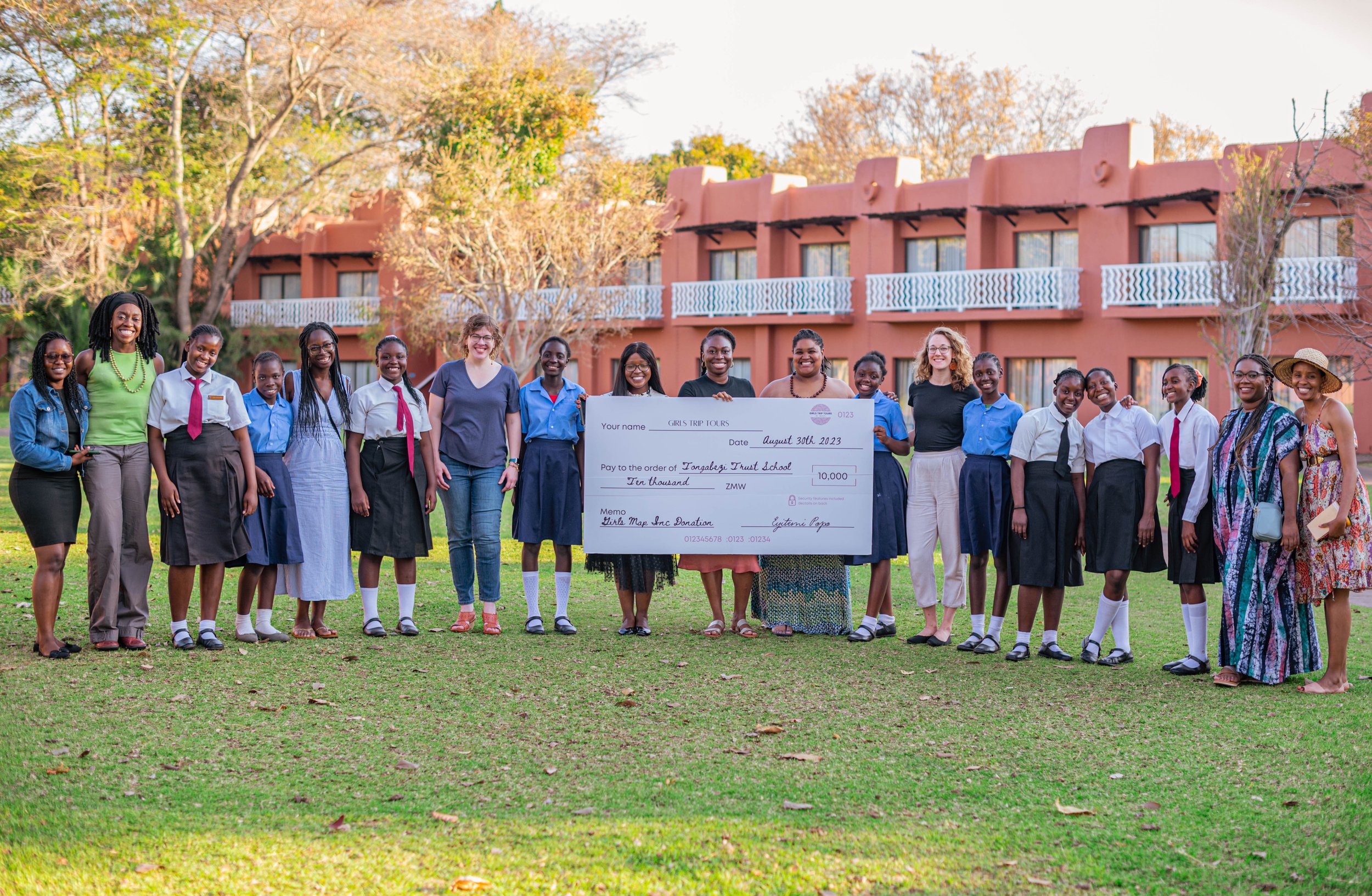
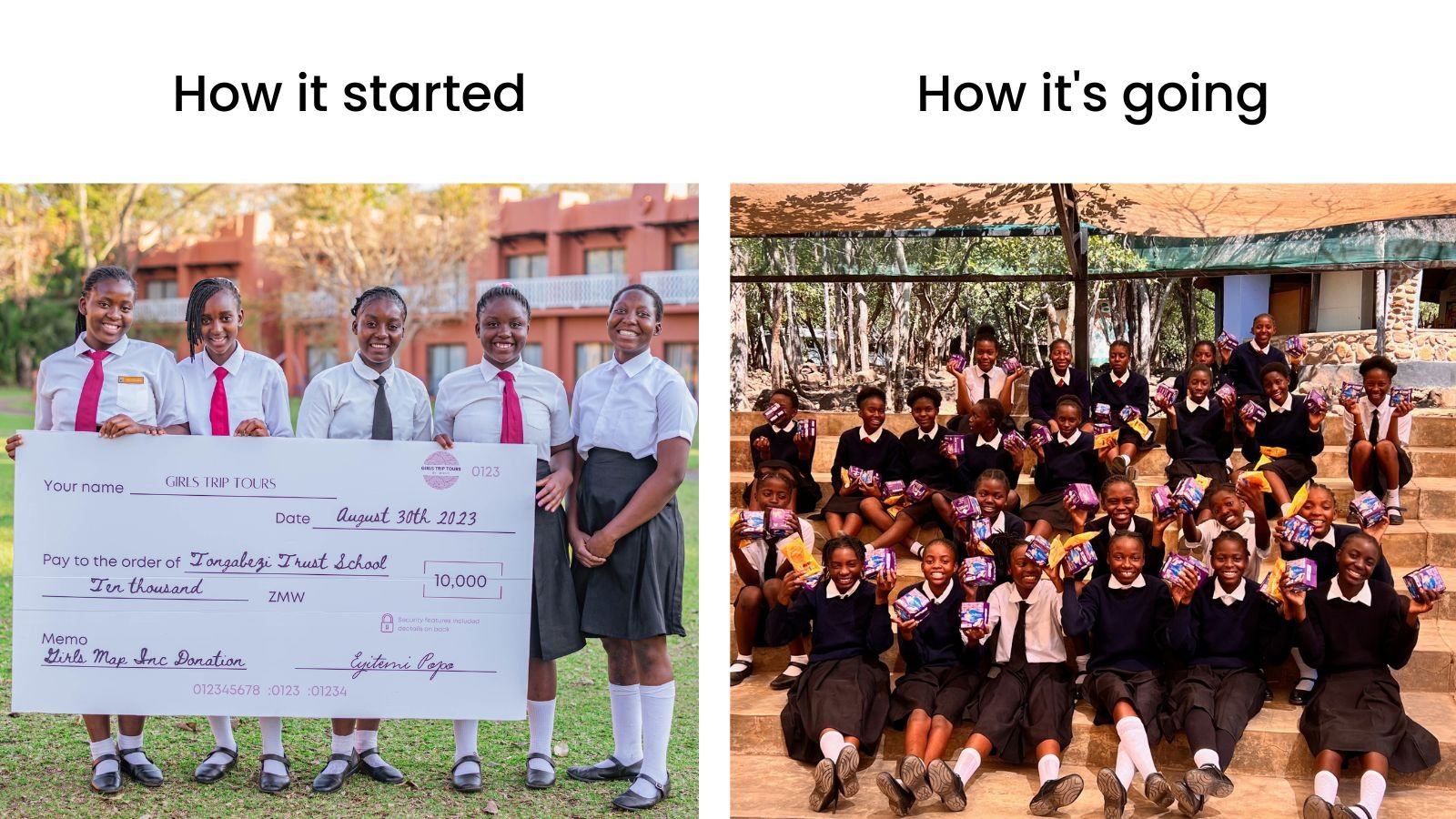
During our Zambia 2023 programming, we supported the Girls’ Empowerment Club at Tongabezi Trust School by funding its period equity initiative, addressing menstrual health as a direct barrier to girls’ education. The funding helped ensure consistent access to sanitary products, menstrual health education, and dignity-centered support that allowed girls to remain in school throughout their cycles. Led by the students themselves, the Girls’ Empowerment Club identified needs, shaped implementation, and helped normalize conversations around menstruation within the school community. Rather than introducing an external program, our support strengthened an existing, student-led structure — reinforcing attendance, confidence, and agency while centering local leadership in how care and resources were distributed.
girls map on the move
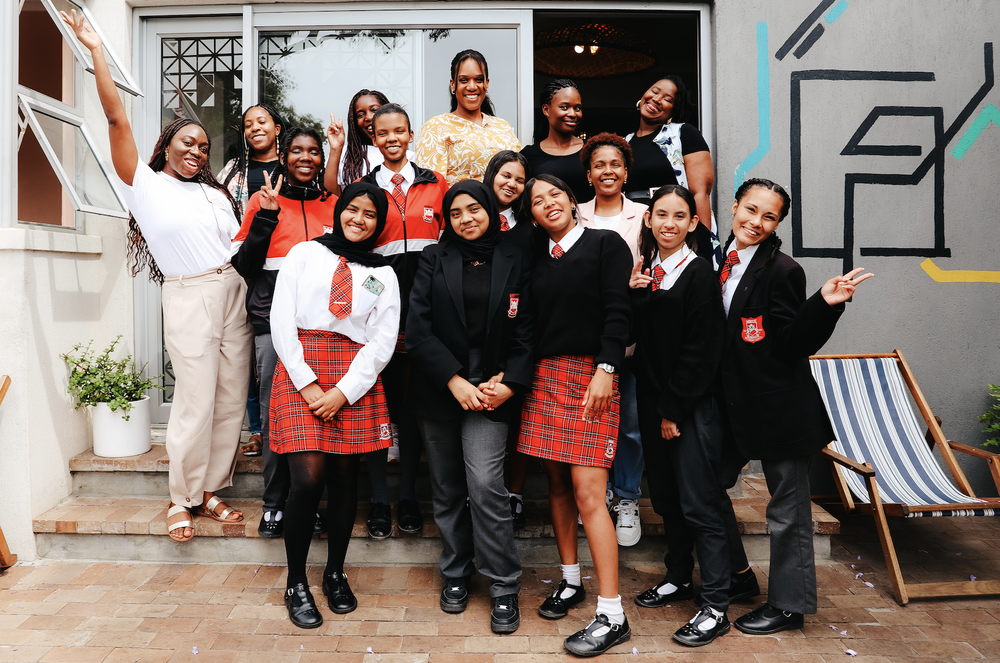
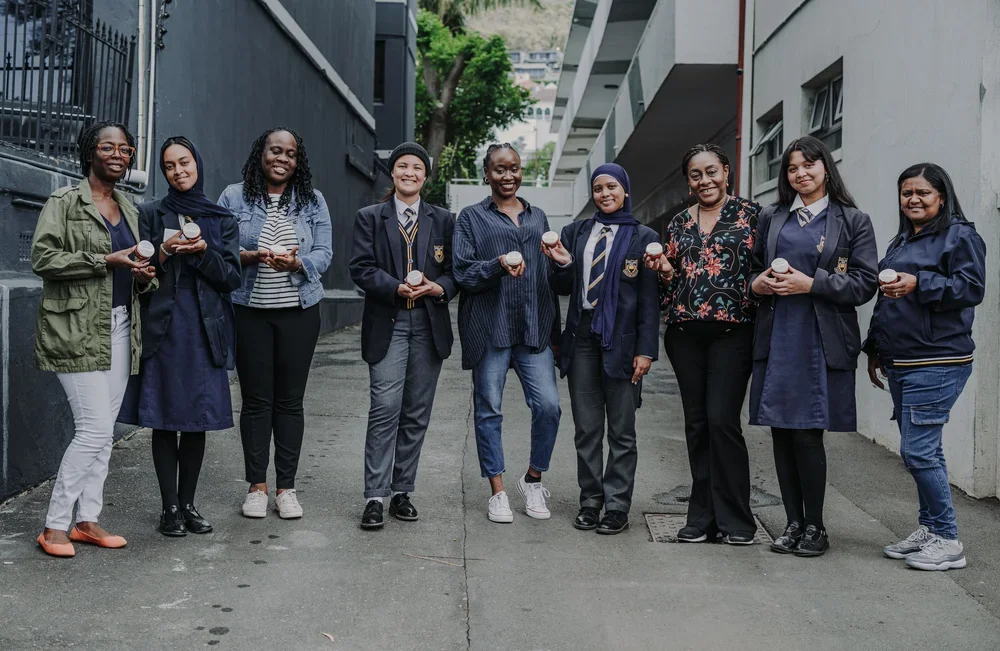
Girls MAP on the Move is a travel-based learning experience designed to inspire wanderlust and confidence in young African girls by creating intentional opportunities for them to explore their own countries and regions. Through structured, supported local travel, participants begin to see themselves as travelers — developing the practical skills, independence, curiosity, and cultural awareness that come from moving through new places with intention. Launched in Cape Town, the program uses travel not as leisure, but as a formative identity-building tool, helping girls expand their sense of what is possible for their lives while strengthening confidence, adaptability, and self-expression in the process. It is currently funded by sales of the Black Cape Town Guide and private donors.
“I joined Girls MAP because a program like this is rare to find. Before the program, success had a different definition and it didn’t look like me. Now, success is a black woman. I've seen her. I now know that I have something to offer the world.”
—Meski, 16 (USA)